📖
Opening Shelf & Fetching Catalog...
Connecting to For The Truth theological registry...
Connecting to For The Truth theological registry...
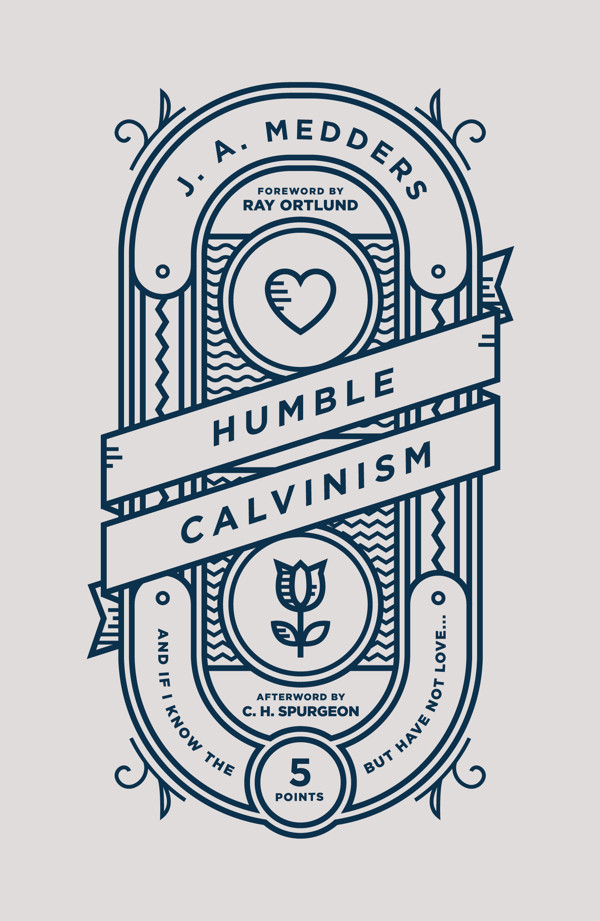
Jeff Medders challenges Calvinists to live the doctrines of grace graciously. A warm, witty, convicting book on humility, love & true Reformed theology
EMI from ₹42/month
Pay later available

Let's be honest about something.
Calvinism has an image problem.
For far too long, the doctrines of grace have been associated not with graciousness but with argumentativeness, arrogance, and a cold, combative spirit that tears people down rather than building them up. Somehow — tragically, ironically — the very truths that most powerfully declare the sovereign mercy and undeserved love of God have produced in many of their champions a posture that looks nothing like mercy or love at all.
Jeff Medders — self-confessed recovering, cranky Calvinist — has noticed this problem. And in Humble Calvinism, he does something rare and refreshing: he turns the doctrines of grace back on the people who hold them and asks a piercing, uncomfortable, necessary question:
Have the five points made it from your head to your heart?
It is entirely possible to have total depravity, unconditional election, limited atonement, irresistible grace, and perseverance of the saints all perfectly mapped out in your theology — and still be an unkind, unloving, ungracious person.
It is possible to win every theological argument and lose every relationship.
It is possible to be more in love with Calvinism than with Christ.
Medders asks whether this describes more of us than we would like to admit — and then, with warmth, wit, and genuine pastoral concern, he shows how a true, deep, heart-level understanding of the five points does not produce arrogance. It produces humility, wonder, love, and grace — because the person who truly grasps that they were totally depraved, that God chose them unconditionally, that Christ died specifically for them, that grace irresistibly overcame their rebellion — that person has absolutely nothing to be proud of and everything to be grateful for.
Medders argues compellingly that the doctrines of grace, properly understood and genuinely believed, are the most powerful antidote to pride and arrogance in the Christian life:
Each of these doctrines, truly believed, levels every ground for boasting and fills the heart with nothing but praise for the God of all grace.
One of the great pleasures of Humble Calvinism is the way it delivers its message. Medders writes with genuine warmth, self-deprecating humour, and the kind of honest self-examination that makes the book feel less like a lecture and more like a conversation with a trusted friend who happens to be telling you something you really needed to hear.
This is not a book written by someone looking down at argumentative Calvinists from a great height. It is written by someone who recognises himself in the problem — and has found, in the very doctrines of grace he loves, the remedy for the gracelessness he confesses.
That combination of theological seriousness and personal honesty makes Humble Calvinism one of the most genuinely helpful and enjoyable Reformed theology books in recent years.
Humble Calvinism is essential reading for:
Jeff Medders is a pastor, author, and speaker known for his warm, accessible, and often witty writing style. He is the author of several books including Gospel Formed and Rooted, and serves as a pastor committed to both theological faithfulness and genuine gospel community. In Humble Calvinism, he brings personal honesty, pastoral wisdom, and genuine love for both the doctrines of grace and the people of God to one of the most needed conversations in Reformed circles today.
The doctrines of grace were never meant to be weapons in theological debate. They were meant to be mirrors that show us our need, windows that display God's glory, and springs that produce rivers of gratitude and love in the hearts of those who truly believe them.
If your Calvinism has made you harder, prouder, and less loving — something has gone wrong. Not with the doctrines. With the believing.
Humble Calvinism is an invitation to believe them better — more deeply, more personally, more transformingly — until the grace you proclaim is the grace you actually live.