📖
Opening Shelf & Fetching Catalog...
Connecting to For The Truth theological registry...
Connecting to For The Truth theological registry...
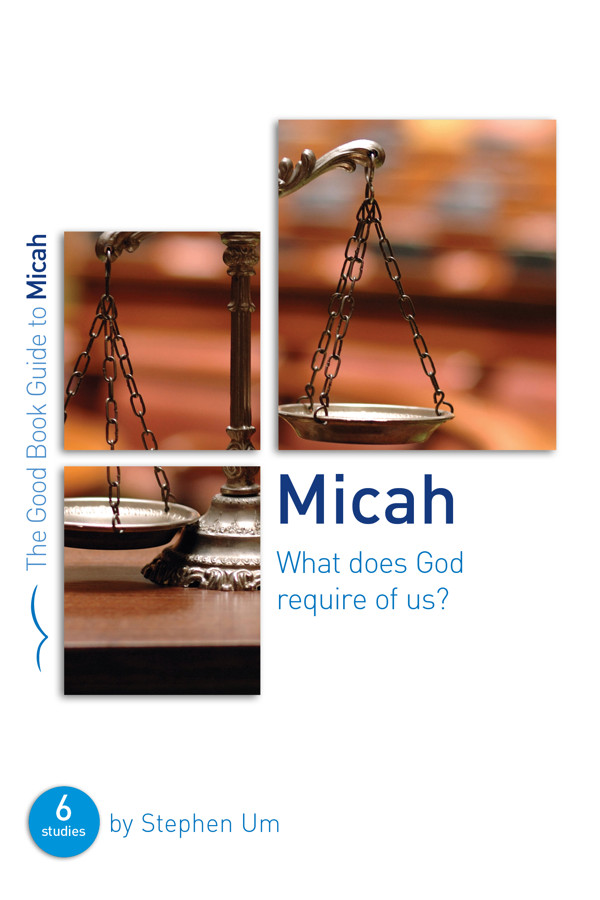
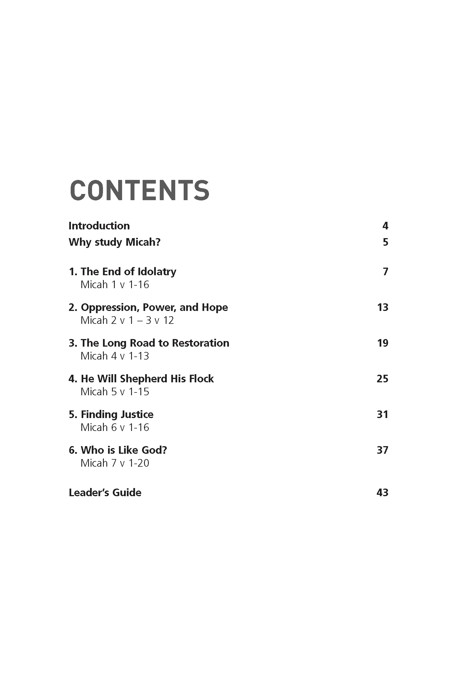
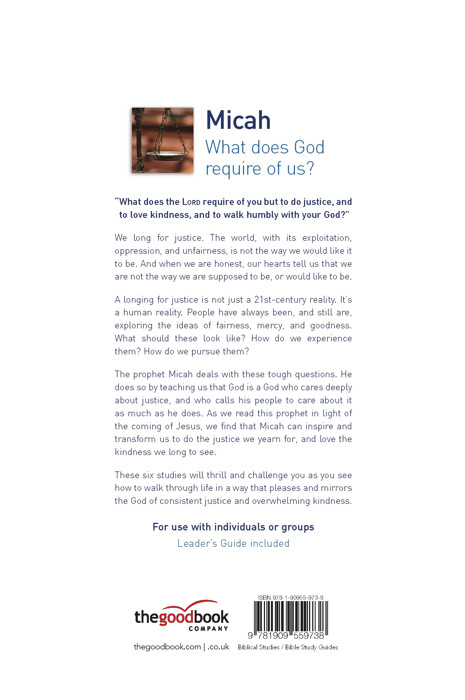
Stephen Um leads groups through Micah’s call to justice, mercy & humility. A rich Bible study with real-life application. Perfect for small groups & individuals.
EMI from ₹42/month
Pay later available

He has told you, O man, what is good. And what does the Lord require of you but to do justice, and to love kindness, and to walk humbly with your God.
These words — spoken through the prophet Micah in the eighth century before Christ — are among the most famous and most searching in all of Scripture. They have been quoted at protest marches and carved into courthouses, recited in pulpits and whispered in prayers. They are words that seem to cut through every complexity and every qualification and every excuse to something simple, clear, and utterly demanding:
This is what God wants from you. Do justice. Love mercy. Walk humbly.
But what does that actually mean? What does it look like to do justice in the specific circumstances of your life, your community, your church, and your culture? What is the difference between genuine mercy and mere sentimentality? And what does it mean to walk humbly — not just as a private spiritual virtue but as a posture that shapes the way you use every bit of power and influence you possess?
Micah: What Does God Require of Us? is a Good Book Guide by Stephen Um that takes individuals and groups through the whole book of Micah — one of the Old Testament's most demanding and most personally searching prophetic books — with close attention to the text, genuine practical application, and the kind of questions that open up real, honest, and searching discussion about what God is calling his people to.
Micah was a prophet in eighth-century Judah — a contemporary of Isaiah, Hosea, and Amos — who spoke during a period of significant economic prosperity and equally significant moral and spiritual corruption. The wealthy were getting wealthier by exploiting the poor. Powerful leaders were abusing their positions for personal gain. Religious leaders were telling people what they wanted to hear rather than what they needed to hear. And the gap between the externals of religious observance and the reality of how people were actually living had never been wider.
Into that situation, Micah spoke — with a directness, an urgency, and a moral seriousness that has lost none of its force in the intervening twenty-seven centuries. His message was not primarily about ritual observance or theological precision. It was about the relationship between what people believed about God and how they actually lived — in their business dealings, in their treatment of the poor, in their use of power and influence, in the gap between their public religion and their private ethics.
The parallels with the contemporary church are not difficult to see. And this study guide helps every reader see them clearly — and respond to them honestly.
One of the genuine strengths of this study is its commitment to engaging with the whole book of Micah rather than simply mining it for its most famous verses. Stephen Um guides readers through all seven chapters — the accusations and the laments, the judgments and the promises, the searching diagnoses of Israel's failures and the extraordinary glimpses of the restoration God has planned — showing how each part of the book contributes to its overall message and how that message speaks with remarkable directness to the church today.
The book of Micah moves through several distinct movements that together create a comprehensive and searching account of what God requires of his people:
The Accusation — God's Case Against His People Micah opens with a divine lawsuit — God bringing his case against his people for their consistent failure to live in a way that reflects his character and his covenant. The specific accusations are particular to eighth-century Israel but the underlying patterns — exploitation of the poor, abuse of power, religious hypocrisy, comfortable complacency — are disturbingly familiar to any honest reader of the contemporary church.
The Leaders and Their Failures Micah reserves his sharpest words for the leaders — the rulers who exploit rather than protect, the prophets who speak smooth words for payment rather than hard truths for God's glory, the priests who teach for hire. Leadership is not peripheral to the book's concerns — it is central. And the question of what faithful, just, humble leadership looks like in every sphere of life is one that this study presses every reader to take personally.
The Vision of the Future Micah is not only accusation and judgment. It is also one of the Old Testament's most extraordinary sources of prophetic hope — containing the prophecy of the birth of a ruler from Bethlehem, the vision of swords beaten into plowshares and nations streaming to the mountain of the Lord, and the promise of a God who will cast all the sins of his people into the depths of the sea. This forward-looking dimension of the book grounds the ethical demands in the grace of the God who is committed to the ultimate restoration of his people and his world.
Micah 6:8 — The Centre of Everything The famous summary verse of the book — what does the Lord require of you but to do justice, love kindness, and walk humbly with your God — does not stand alone as an isolated ethical maxim. In its context, it is the climax of a covenant lawsuit, the answer to a question about what genuine worship actually looks like, and a summary of the whole relational and ethical vision of the book. This study helps readers understand it in that context — and apply it to their own lives with the full weight of its biblical meaning.
Micah: What Does God Require of Us? is ideal for:
Stephen Um is the senior minister of Citylife Church in Boston, Massachusetts, and a council member of The Gospel Coalition. He is known for his ability to bring careful, close engagement with the biblical text together with culturally perceptive, personally searching application that speaks directly to the challenges of living as a Christian in a complex contemporary world. His passion for justice, mercy, and the kind of humble, gospel-shaped engagement with culture that Micah calls for is evident on every page of this study guide.
Micah: What Does God Require of Us? is part of the Good Book Guides series — a highly regarded collection of Bible study guides designed to help individuals and groups engage seriously and practically with specific books of the Bible and key theological themes. Each guide features close attention to the biblical text, a focus on real-life application, questions that genuinely open up discussion, and a comprehensive leader's guide for group facilitators.
Other Good Book Guides available at forthetruth.in include:
The question Micah asks is not a distant, historical, academic one. It is the question that every person who names the name of God must answer — not in theory but in practice, not on Sunday morning but on every other morning of every other day.
What does God require of you? Not of the church in general. Not of Christians in the abstract. Of you — in your specific life, your specific relationships, your specific community, your specific use of the time and money and influence and power that God has given you.
Do justice. Love mercy. Walk humbly with your God.
Micah: What Does God Require of Us? is an invitation to hear that ancient, searching, endlessly relevant demand — and to discover, through careful engagement with the whole book that contains it, both the weight of what it asks and the grace of the God who gives everything needed to answer it.