📖
Opening Shelf & Fetching Catalog...
Connecting to For The Truth theological registry...
Connecting to For The Truth theological registry...
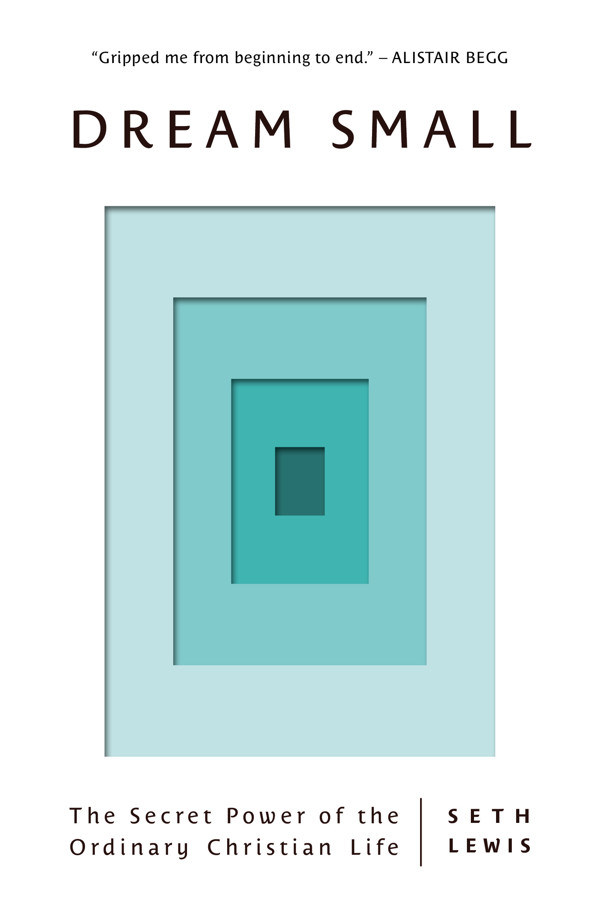
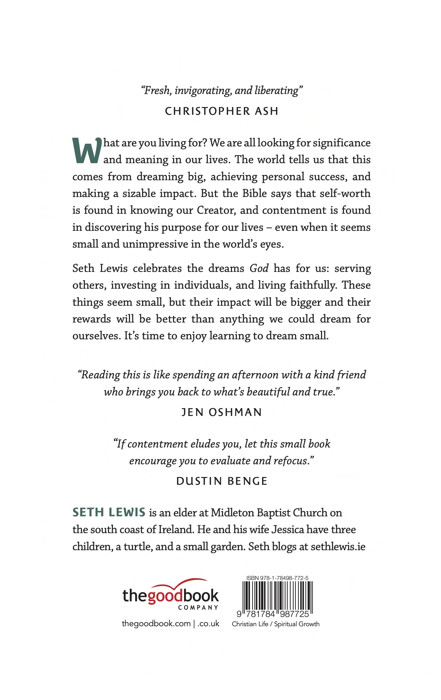
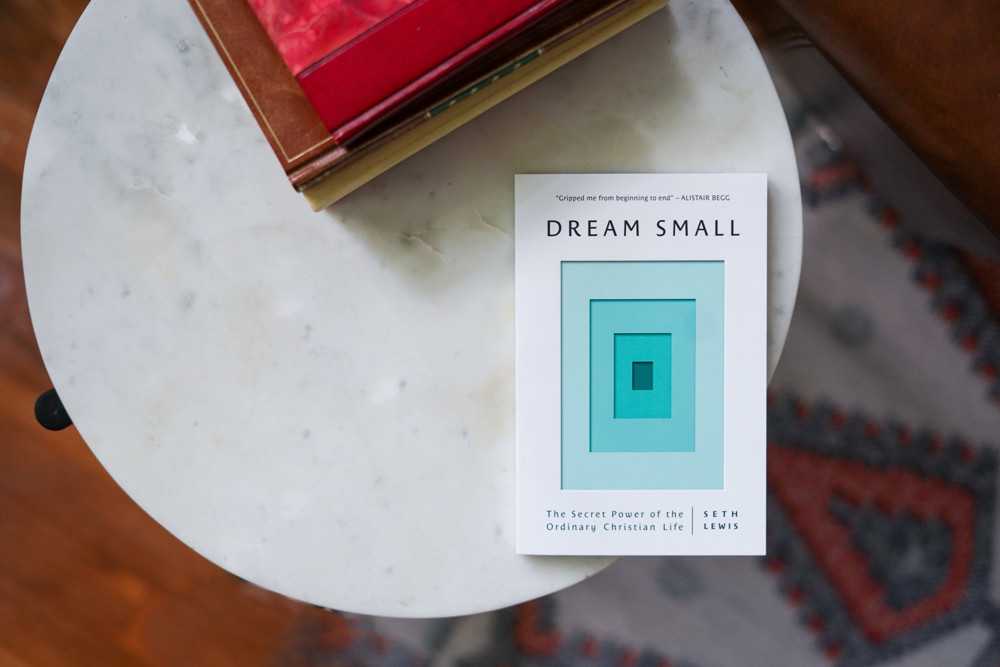
Discover true significance in serving, investing in others & living faithfully. A liberating biblical guide to freedom from the world’s definition of success.
EMI from ₹42/month
Pay later available

The world has a very clear idea of what a significant life looks like.
Dream big. Achieve more. Build a platform. Make an impact. Leave a legacy. The message comes from every direction — social media, career culture, self-help books, motivational speakers — and it is relentless in its pressure and seductive in its appeal. Even in Christian circles, the language of big dreams, maximum impact, and world-changing influence has become so pervasive that it can be difficult to imagine any other way of thinking about a life well lived.
But what if the world's definition of significance is not just culturally constructed? What if it is actually, at a deeper level, spiritually destructive — producing anxiety, exhaustion, comparison, and a chronic sense of inadequacy in the people who pursue it most earnestly?
And what if the Bible offers something completely different — not a smaller version of the world's ambition, but a genuinely different vision of what makes a human life meaningful, significant, and deeply satisfying?
Dream Small is a book that dares to take that alternative vision seriously — and in doing so, offers one of the most genuinely liberating messages available to Christians living under the weight of a success-obsessed culture.
The dream-big culture is not limited to the secular world. It has deeply shaped the way many Christians think about their lives, their ministries, and their sense of worth before God. The assumption — rarely stated but deeply felt — is that a significant Christian life is one that produces visible, measurable, impressive results. Large numbers. Wide platforms. Notable achievements. The kind of impact that can be pointed to and celebrated.
And the inevitable consequence of that assumption is a chronic undercurrent of inadequacy for the vast majority of Christians whose lives do not look like that — who are raising children in relative obscurity, serving faithfully in small churches, caring for elderly parents, doing unremarkable work with quiet integrity, and wondering whether any of it really counts.
Dream Small addresses this directly and compassionately — not by dismissing the desire for significance but by relocating its source. The problem is not that we want our lives to matter. The problem is that we have been looking for that mattering in the wrong place — in achievements and platforms and numbers rather than in the one relationship that actually grounds lasting significance: knowing and being known by the Creator who made us.
The foundational argument of Dream Small is both simple and transforming: self-worth is found in knowing our Creator, and contentment is found in discovering his purpose for our lives.
This is not a consolation prize for people who have failed to achieve the big dreams. It is a fundamentally different account of what human life is for and where its meaning lies. When a person truly knows Jesus — when their identity is grounded in being loved, chosen, and called by the God who made them — they are genuinely free from the world's definition of success. Not indifferent to achievement, not incapable of ambition, but free from the tyranny of having to achieve in order to matter.
And from that freedom flows the possibility of a genuinely different kind of life — one oriented not around personal impact and legacy but around the things God says matter most. Which, as it turns out, often look remarkably small and unimpressive in the world's eyes.
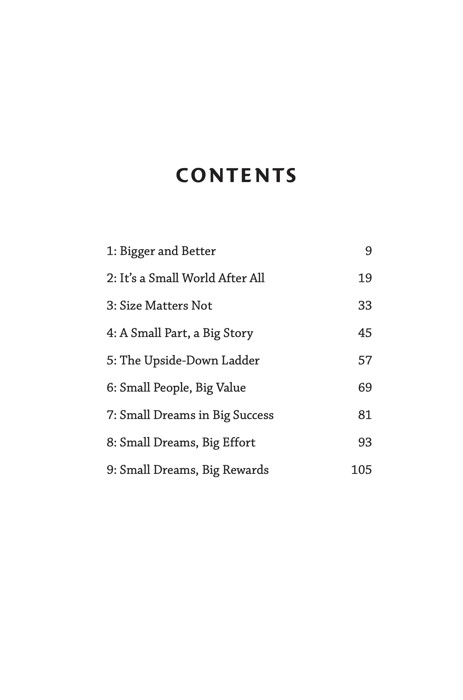
At the heart of Dream Small are three specific dreams — not the world's dreams of visibility, success, and impact, but God's dreams for his people — that together describe what a truly significant, truly satisfying, truly God-honouring life actually looks like:
Serving Others The vision of a life oriented around genuine, costly, unglamorous service to the people around us — not for recognition, not for impact metrics, but because we have been served by the one who gave everything for us. This is a life that washes feet rather than building platforms, that looks for the overlooked rather than cultivating the influential, and that finds in that service a depth of meaning and satisfaction that the celebrity culture never delivers.
Investing in Individuals The vision of a life that takes individual people seriously — that gives time, attention, love, and care to specific human beings rather than managing them as numbers in a ministry programme. The disciple who is truly discipled. The friend who is genuinely known. The child who is patiently, consistently, lovingly invested in over years and decades. These are investments that rarely produce impressive statistics but that produce something far more valuable — transformed human lives.
Living Faithfully The vision of a life characterised by steady, unglamorous, day-by-day faithfulness — in the ordinary rhythms of work and rest, of family and friendship, of private prayer and public witness. Not the dramatic moments that make good testimonies but the quiet, persistent, grace-sustained obedience that shapes a person into the image of Christ over a lifetime.
These three dreams are not small in their significance. They are small only in the world's terms — and Dream Small invites readers to consider whether those terms are worth living by.
Dream Small is essential reading for:
Here is the irony at the heart of Dream Small: the lives that are most genuinely significant — the ones that produce the deepest impact and the most lasting fruit — are very often the ones that look the smallest and most unimpressive from the outside.
The parent who prays faithfully for their children every day for twenty years. The church member who quietly serves in the same unglamorous role for a decade without recognition or reward. The friend who stays present through someone's long, difficult season of suffering without needing to be thanked or celebrated for it. The worker who does ordinary work with extraordinary integrity because they know they are doing it for an audience of one.
These lives do not trend. They do not build platforms. They do not produce the kind of impact that gets celebrated in Christian conference talks or social media feeds. But they produce something better — the kind of fruit that lasts, the kind of treasure that does not rust or fade, and the kind of deep, settled, gospel-rooted contentment that the dream-big culture never delivers to those who pursue it most desperately.
Dream Small is an invitation to that life. And it is a far bigger invitation than it sounds.